Alcohol Use Disorder Treatment via Telemedicine

Alcohol use disorder treatment Georgia is now accessible from home through our confidential, evidence-based telemedicine program. We provide compassionate care for individuals seeking help with alcohol dependence—all from the privacy of your home. We proudly serve patients across Georgia seeking alcohol use disorder treatment through telemedicine.

What Is Alcohol Use Disorder?
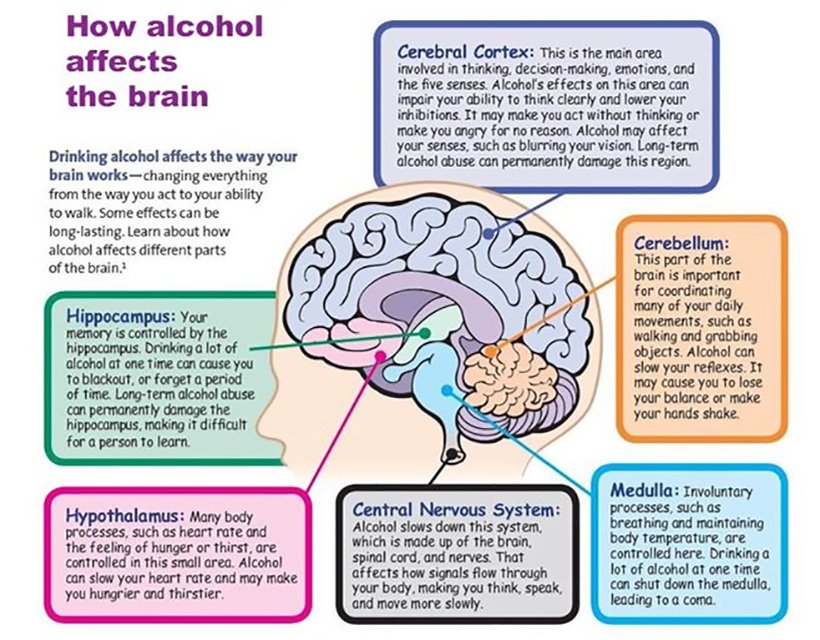
Alcohol Use Disorder (AUD)

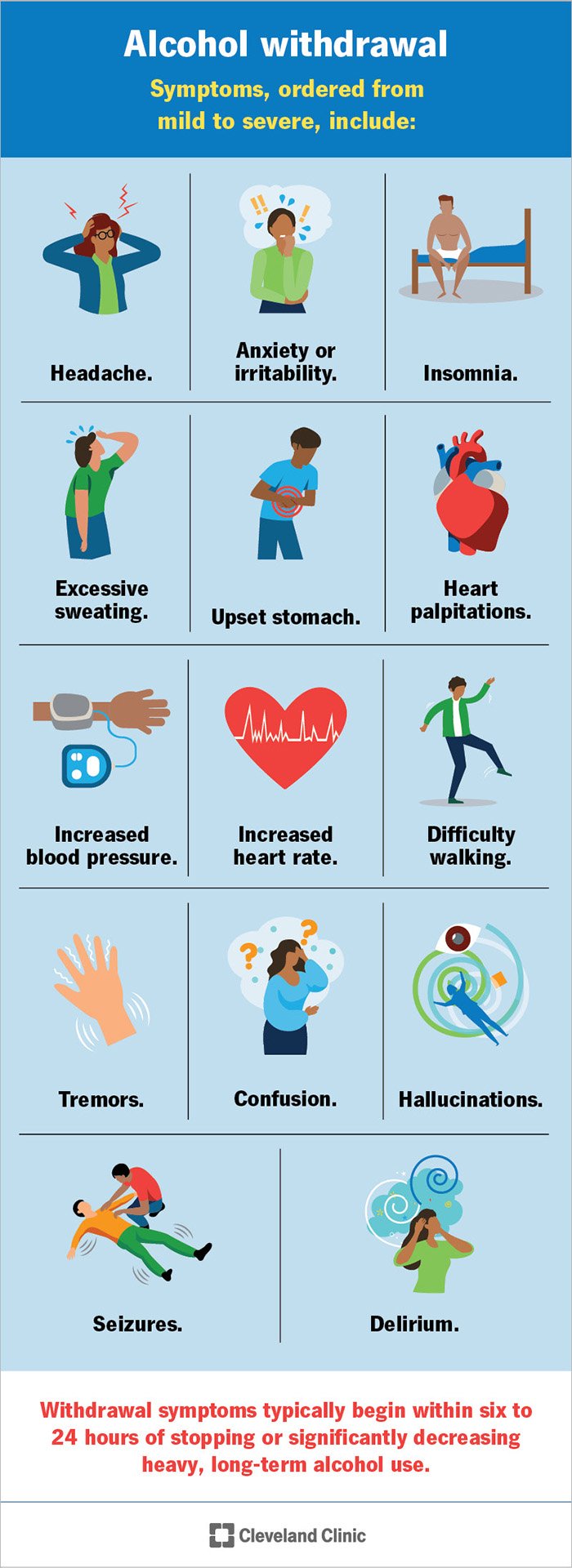
Alcohol use disorder is characterized by changes in mood, behavior, and physical functioning. People may develop strong cravings, drink more than intended, or continue drinking even when relationships or responsibilities suffer. Many spend significant time obtaining, using, or recovering from alcohol. Withdrawal—such as anxiety, sweating, tremors, irritability, or insomnia—can occur when they stop drinking. Tolerance also develops, meaning larger amounts are needed to feel the same effect.

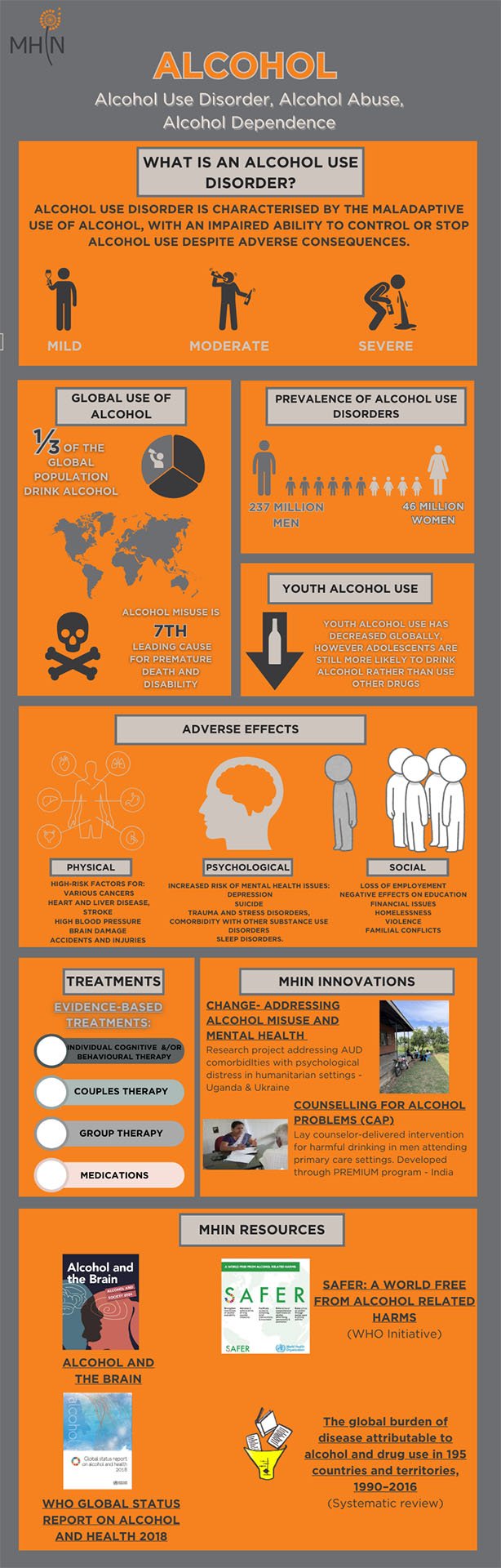
Alcohol use disorder is a medical condition in which a person loses control over their drinking, continues to drink despite harm, and develops physical or emotional dependence on alcohol. It can range from mild to severe and often affects health, relationships, work, and emotional well-being. Although people with this condition may struggle to stop or may return to drinking, research shows that with treatment—such as counseling, medication, and support programs—most individuals can reduce or completely stop alcohol use.

What Is Alcohol Use Disorder?

How Much Is Too Much?
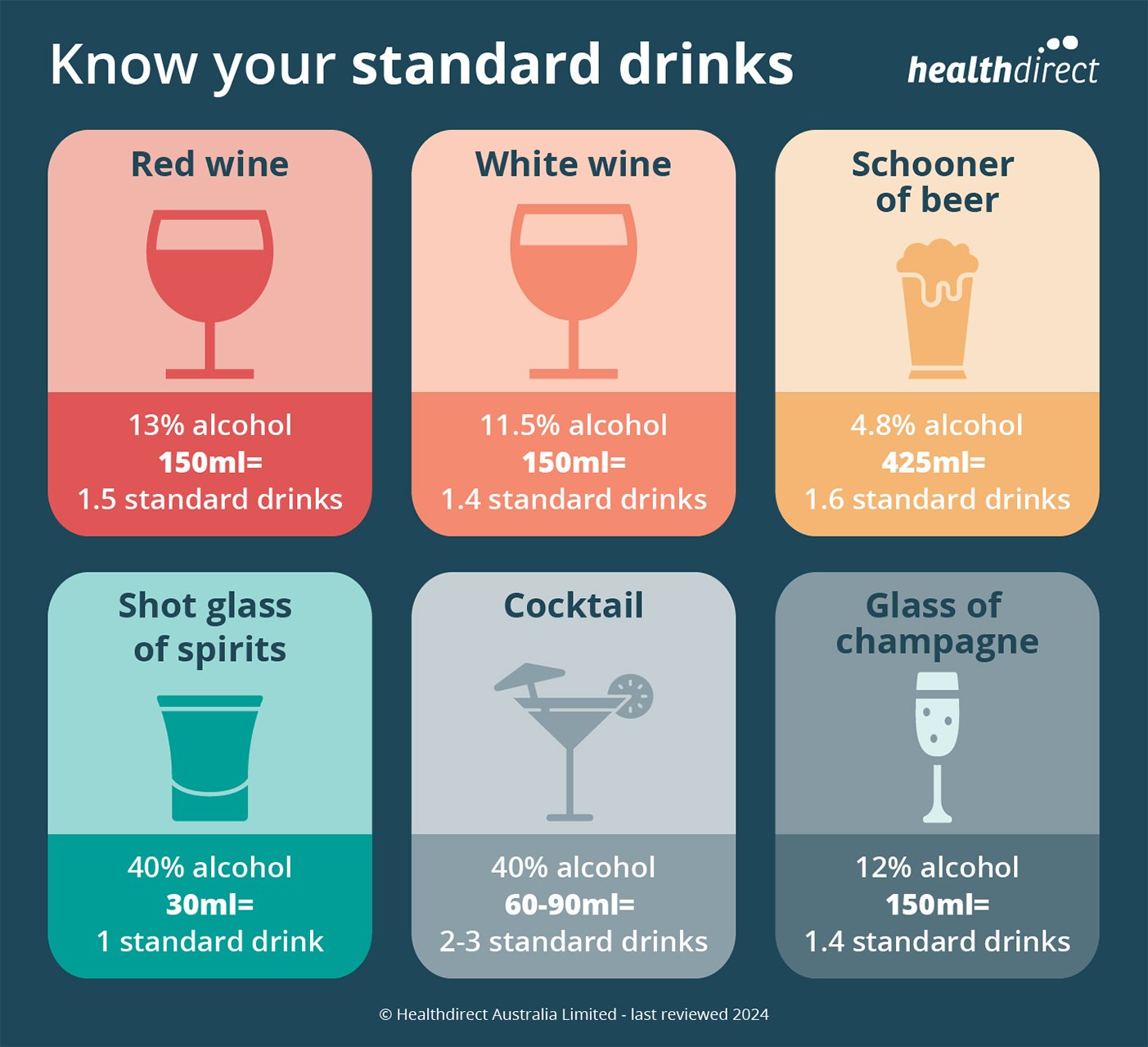
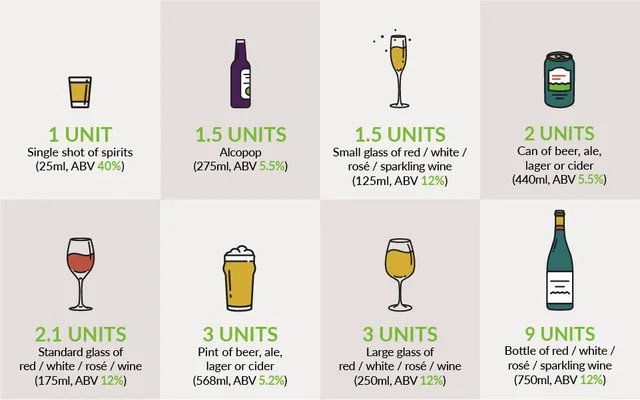
Heavy drinking typically means:

  • Men: 5+ drinks in a day or 15+ drinks per week
  • Women: 4+ drinks in a day or 8+ drinks per week

These limits are based on standard drink measures and reflect when the risk of harm increases.

Why Alcohol Use Disorder Develops

While no single cause explains AUD, several factors raise risk:

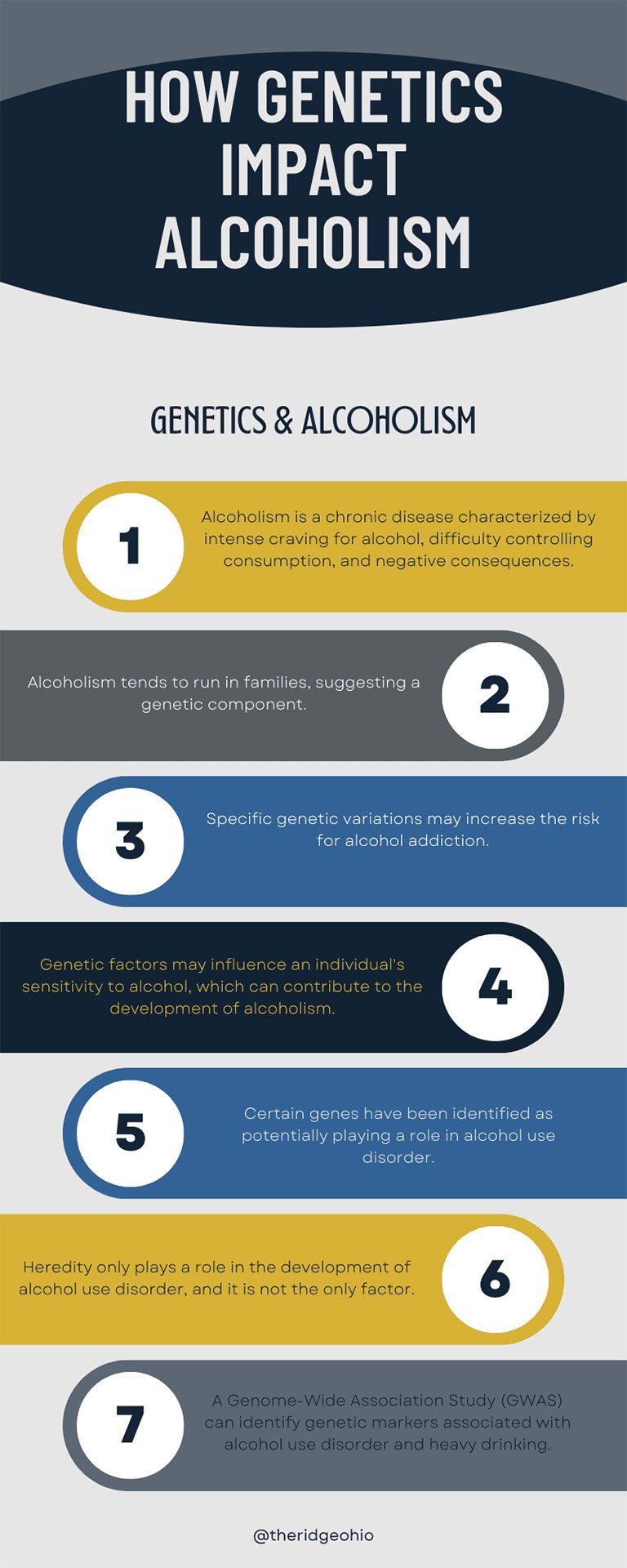
  • Genetics and family history
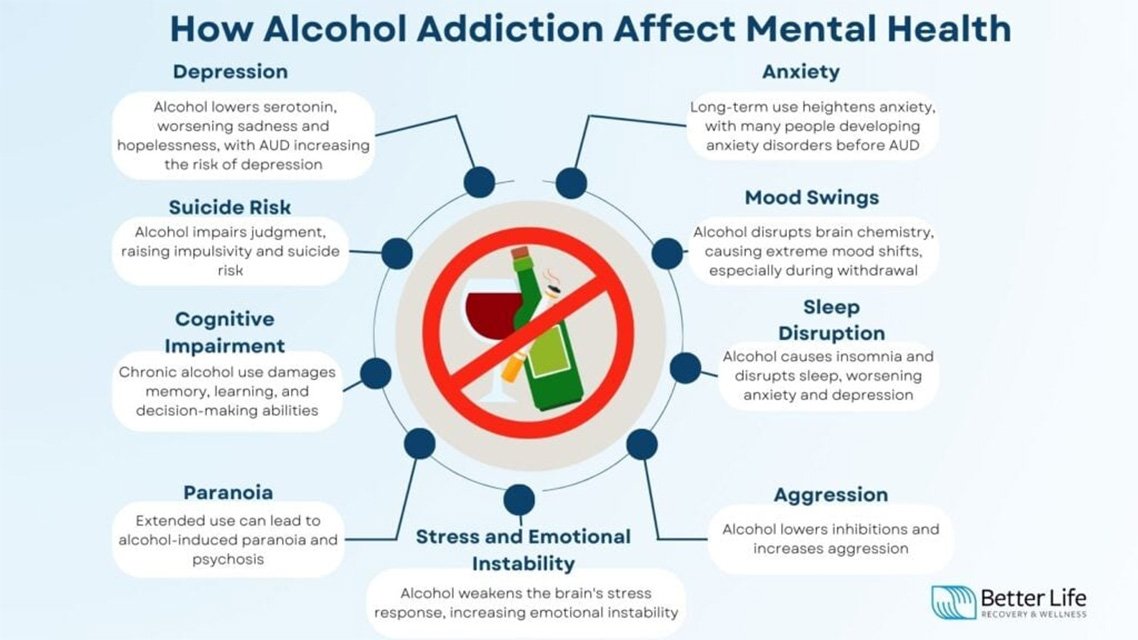
  • Underlying conditions like depression, PTSD, or ADHD
  • Environmental and social influences

Possible Complications

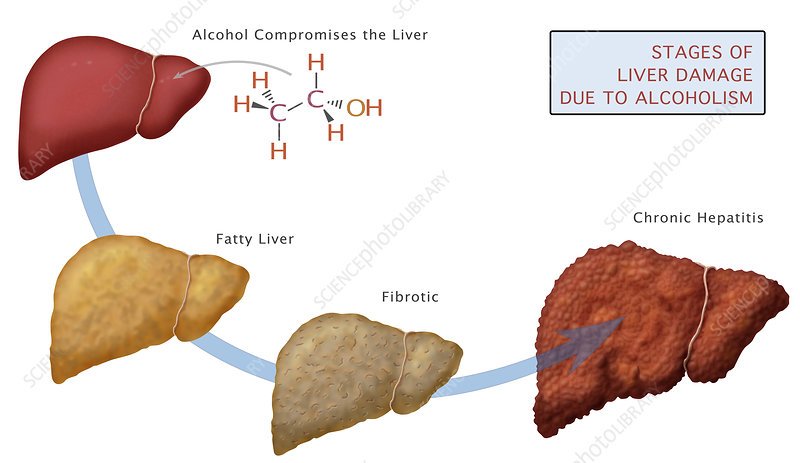
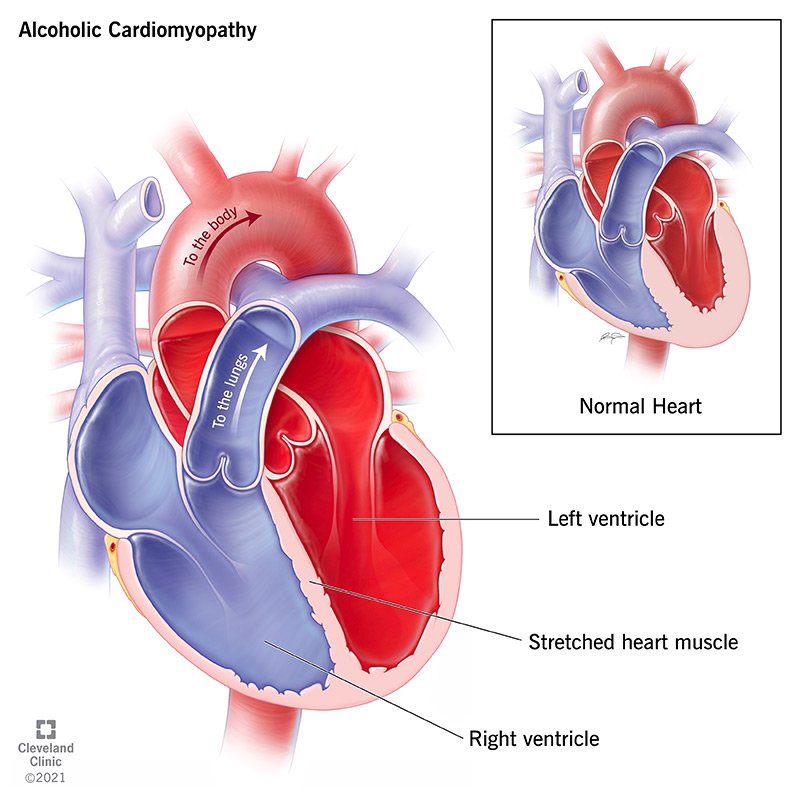
Chronic heavy drinking can damage many organs and systems, leading to:

  • Liver diseases (hepatitis, cirrhosis)
  • Cardiomyopathy
  • Increased cancer risk (e.g., esophageal)
  • Brain and nerve injury
  • Alcohol poisoning
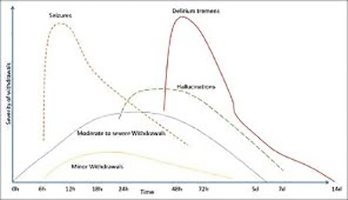
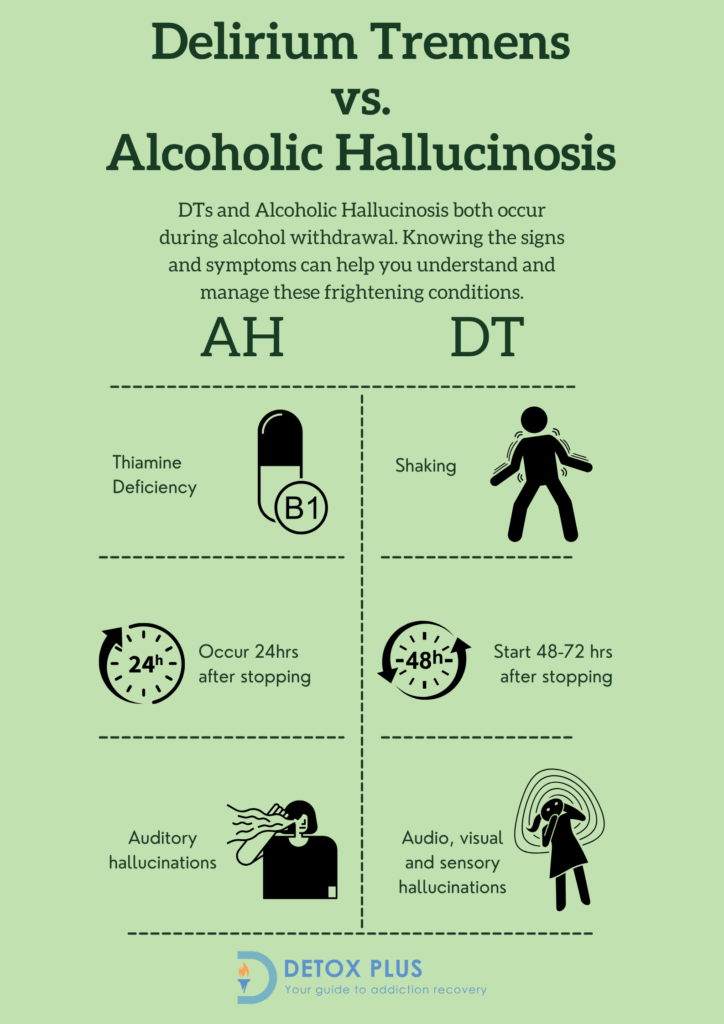
  • Delirium tremens (DT), a medical emergency with hallucinations, seizures, and confusion

Diagnosis

Healthcare professionals diagnose AUD using criteria from the DSM-5, which evaluates behaviors such as loss of control, cravings, risky use, and withdrawal. The severity is determined by how many criteria are met:

  • Mild: 2–3
  • Moderate: 4–5
  • Severe: 6 or more

Treatment Options

Treatment varies by each person’s needs and may include:

1. Behavioral Therapies

  • Cognitive-behavioral therapy
  • Motivational interviewing
  • Counseling for coping and relapse prevention

2. Medications

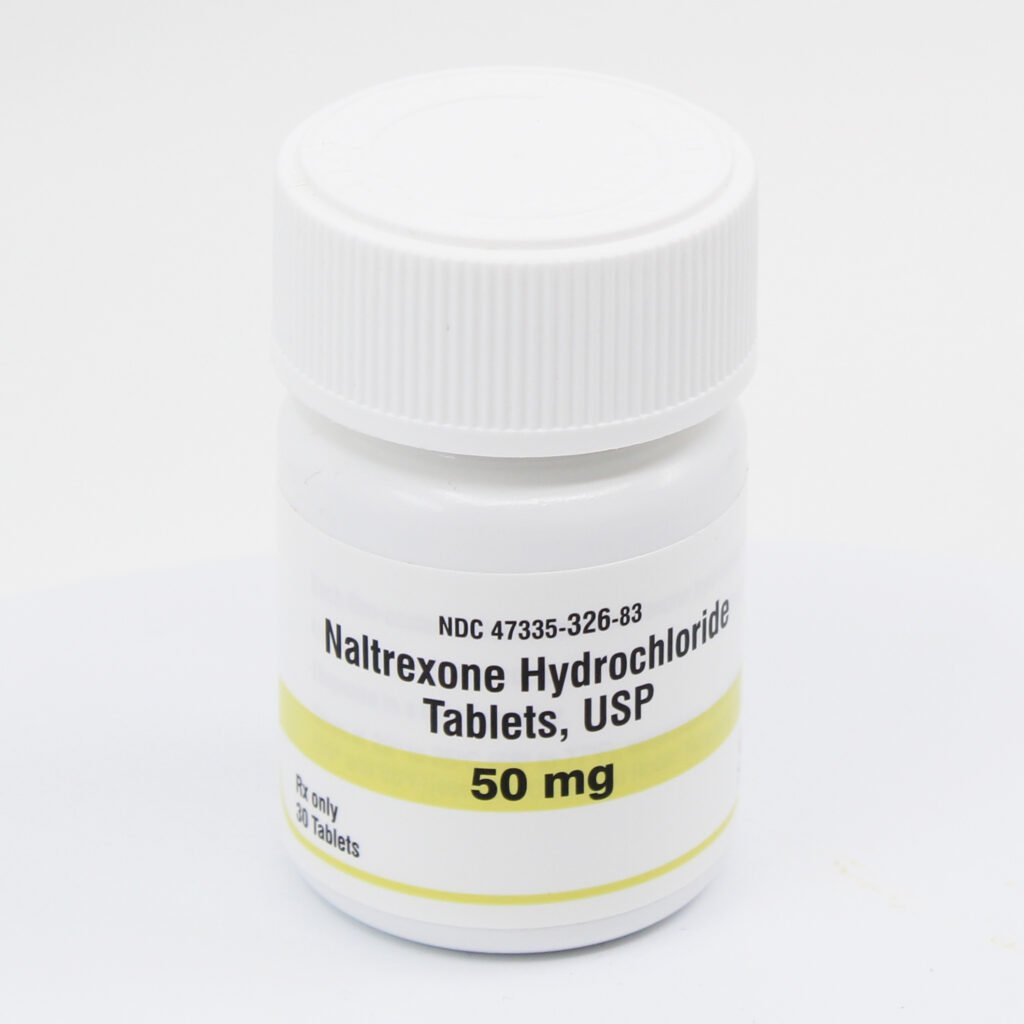
  • Naltrexone and acamprosate (FDA-approved)
  • Gabapentin or topiramate to reduce cravings in some cases

3. Support and Recovery Programs

  • 12-step groups
  • Peer support
  • Recovery coaching

Severe cases may require inpatient detox or residential treatment.

Prognosis

Most people improve significantly with treatment. Relapse can happen, especially during stressful life events, but returning to care quickly helps restore progress.

Prevention

Limiting intake to safe levels reduces risk:

  • Women: No more than 4 drinks in a day or 8 per week
  • Men: No more than 5 drinks in a day or 15 per week

Staying aware of personal limits, managing stress, and seeking help early can prevent progression.

Self-Care Tips During Recovery

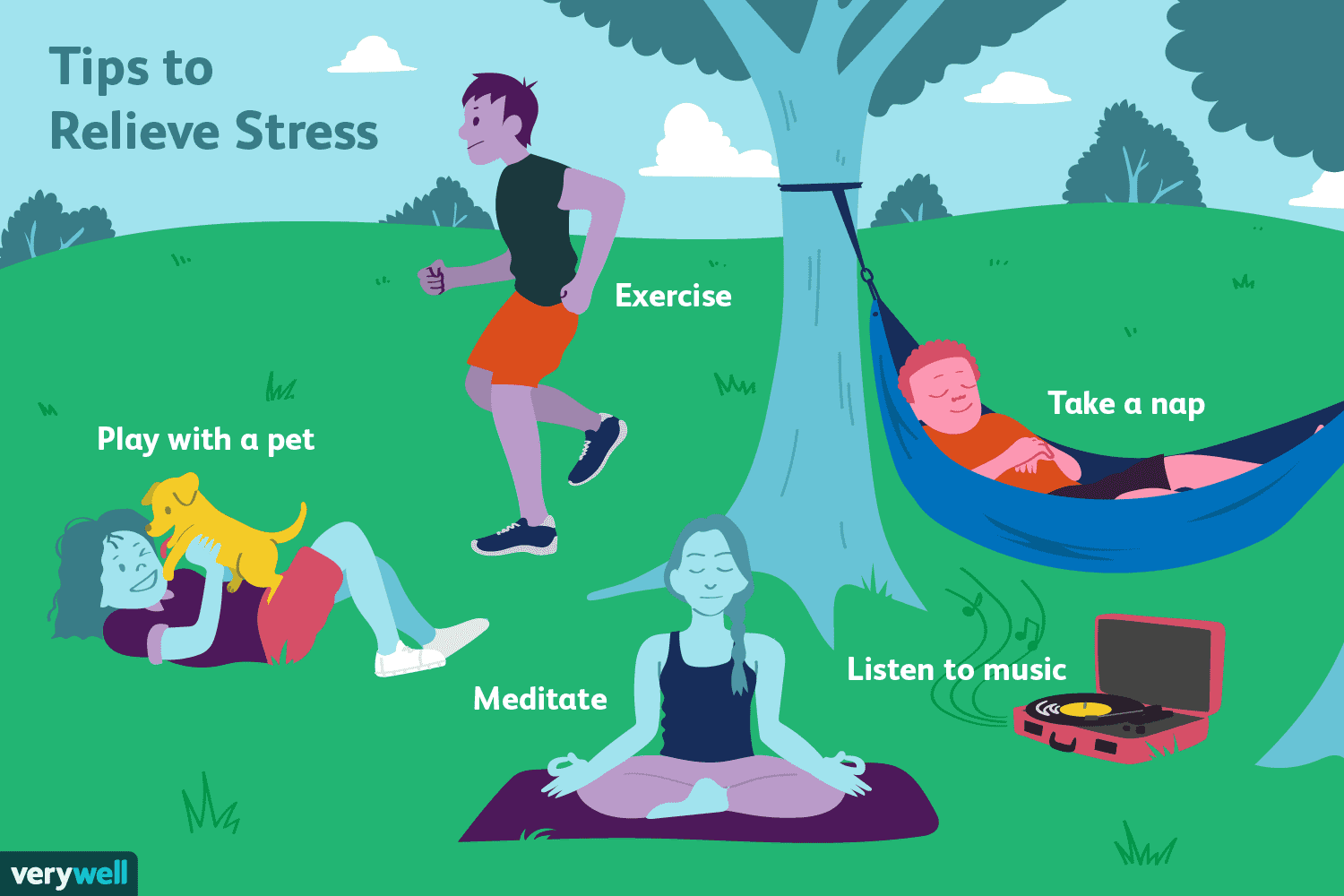
  • Exercise regularly to reduce stress
  • Identify triggers that increase cravings
  • Stay connected with supportive people and programs
  • Reach out to your provider when emotional stress increases

When to Seek Immediate Help

Go to the emergency room if stopping alcohol leads to severe withdrawal—especially hallucinations, seizures, confusion, or signs of delirium tremens.

Questions to Ask Your Provider

  • Do I meet criteria for alcohol use disorder?
  • How severe is my condition?
  • Which treatments do you recommend for me?
  • What can I expect during recovery?

Through telemedicine, we make high-quality addiction care accessible, private, and convenient—allowing you to receive support without visiting a clinic in person. At Cornerstone HealthMD, we provide accessible and confidential alcohol use disorder treatment in Georgia. Our clinicians work with people who want help reducing or stopping alcohol use without putting their life on hold. We offer alcohol treatment online through virtual appointments, making it easy to access support from home.

Treatment may include medications such as naltrexone (or Vivitrol), which can reduce cravings and help maintain sobriety, along with counseling
and behavioral therapy. Our experienced team provides individualized care through outpatient alcohol treatment and virtual alcohol rehab, supporting each patient through detox, recovery, and long-term sobriety.

If you or someone you know is ready to get sober, Cornerstone HealthMD offers online evidence-based support to help you take the first step toward a healthier, alcohol-free life.

Resources from SAMHSA:

How Telemedicine Treatment Works

  • Private video visits with an addiction-trained provider
  • Personalized treatment plan based on your goals
  • FDA-approved medications when clinically appropriate
  • Behavioral support and recovery strategies
  • Ongoing follow-ups to help maintain progress

Evidence-Based Medications We Use

When appropriate, we prescribe medication to reduce cravings and support recovery, including:

  • Naltrexone (oral or injectable) — reduces cravings and blocks alcohol effects
  • Acamprosate — helps normalize brain chemistry during recovery
  • Disulfiram (selected cases) — discourages alcohol use with supervised support
  • Gabapentin — Reduces alcohol craving and withdrawal symptoms

Benefits of Telemedicine for Alcohol Treatment

  • Confidential & stigma-free — no in-person visits
  • Affordable — avoids travel, time off work, or rehab costs
  • Flexible scheduling — evenings & weekends available
  • Evidence-based care right from home

Who Is This Program For?

This program is ideal for adults who:

  • Want to cut down or quit alcohol
  • Prefer discreet care from home
  • Have mild, moderate, or recurrent alcohol dependence
  • Need medication support plus provider guidance

How to Get Started

  • Click Book Now to schedule an appointment
  • Fill out a short confidential intake form
  • Meet with your provider over a secure video call
  • Begin treatment the same day (when clinically appropriate)