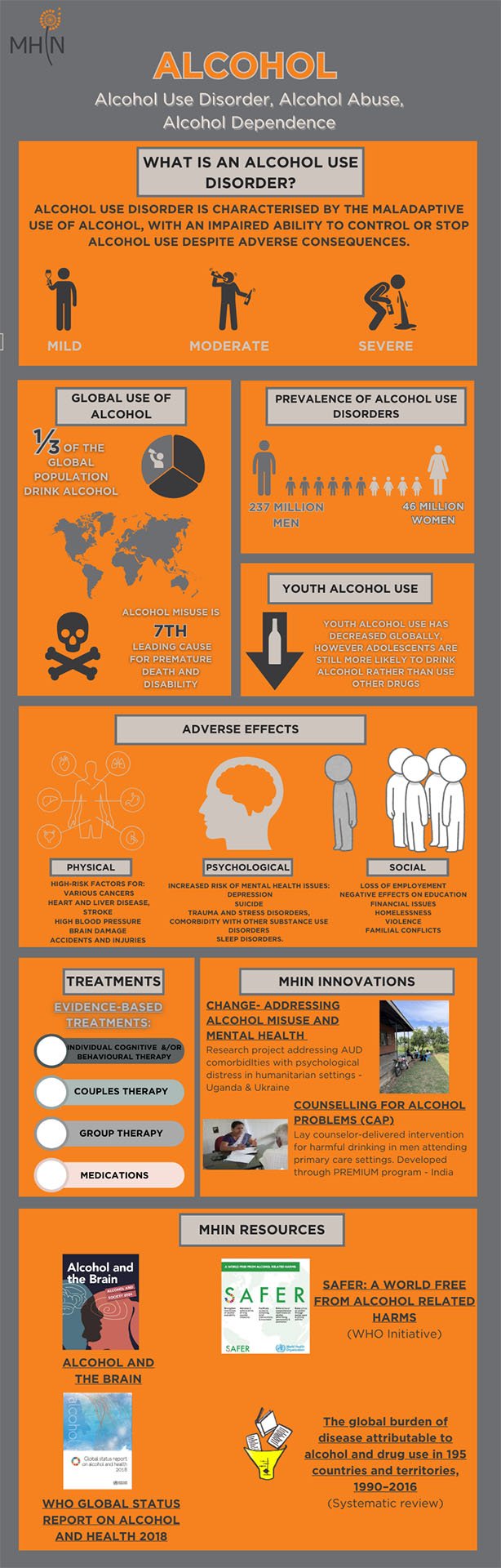
What Is Alcohol Use Disorder?
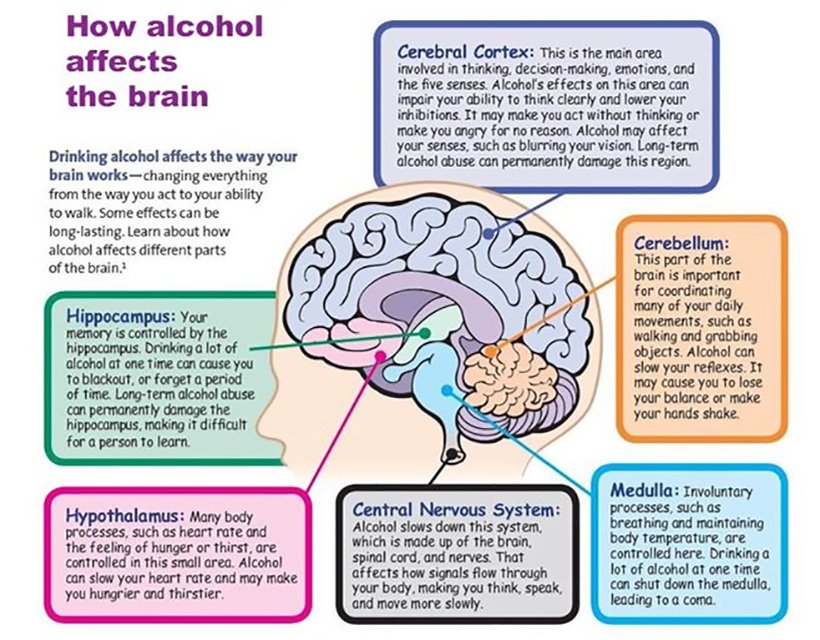
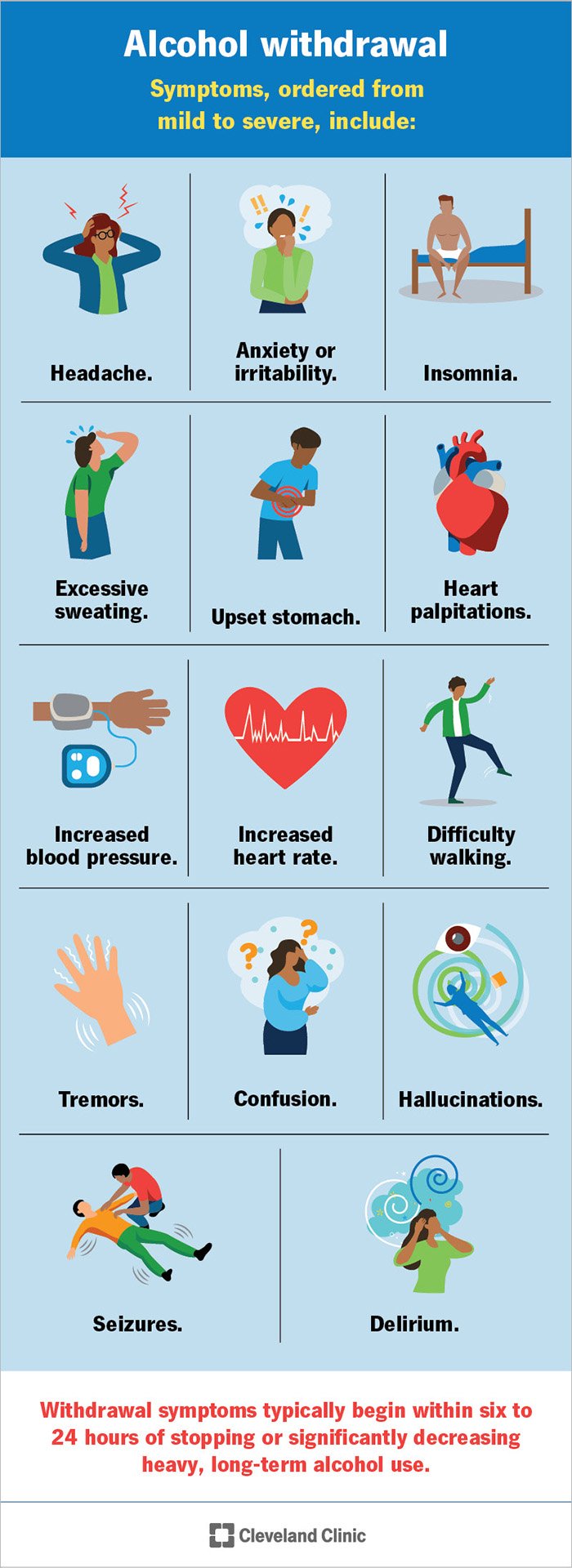
What Is Alcohol Use Disorder?
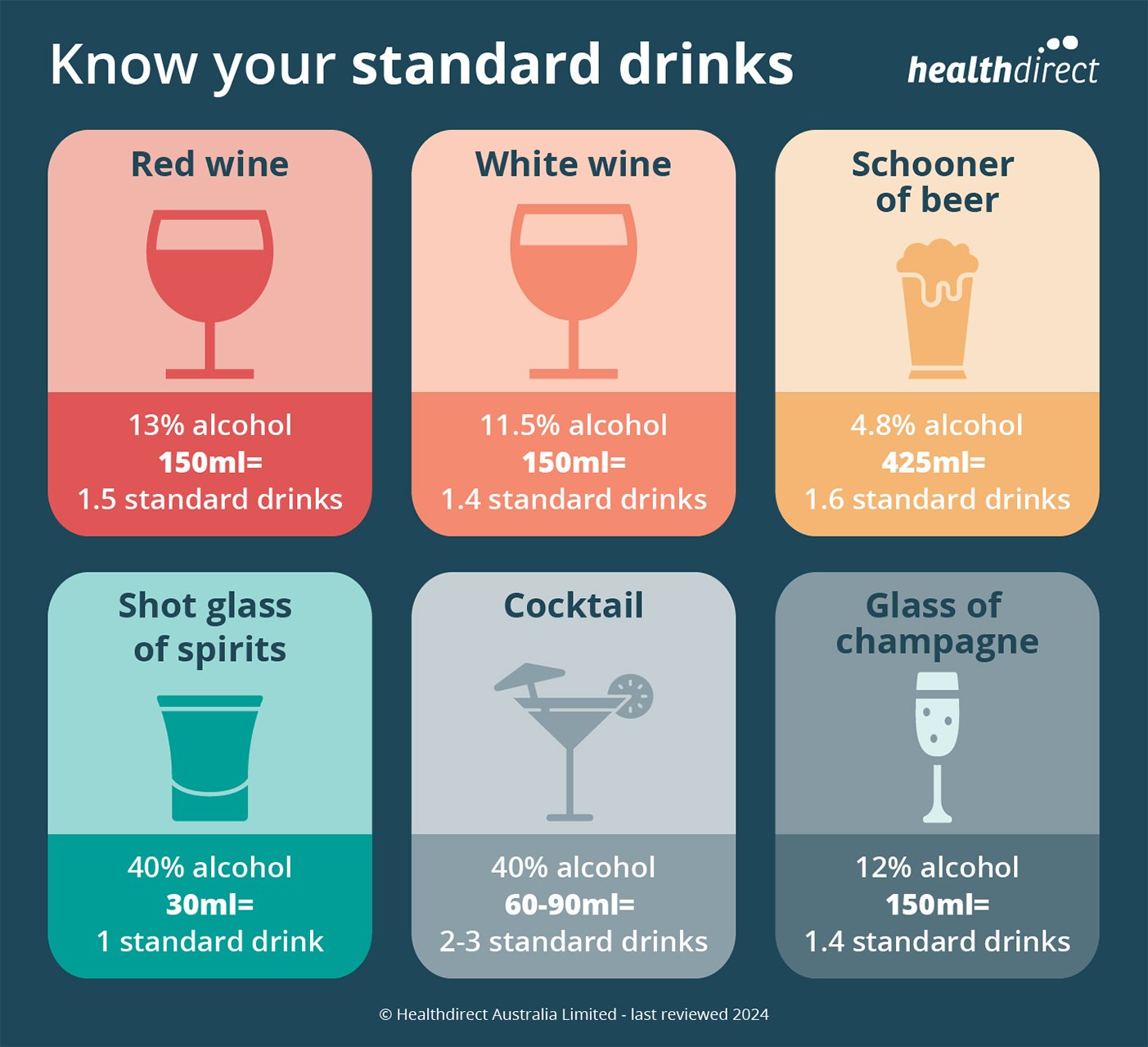
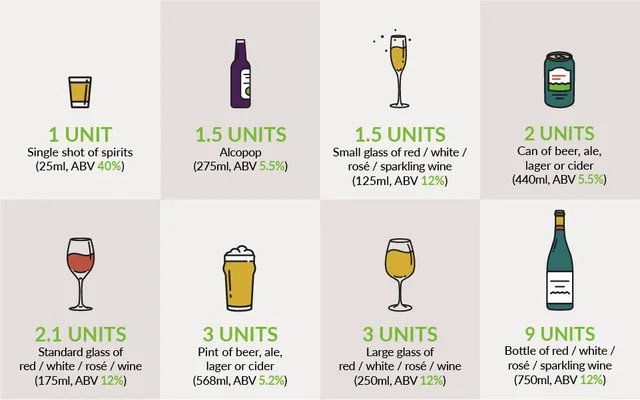
How Much Is Too Much?
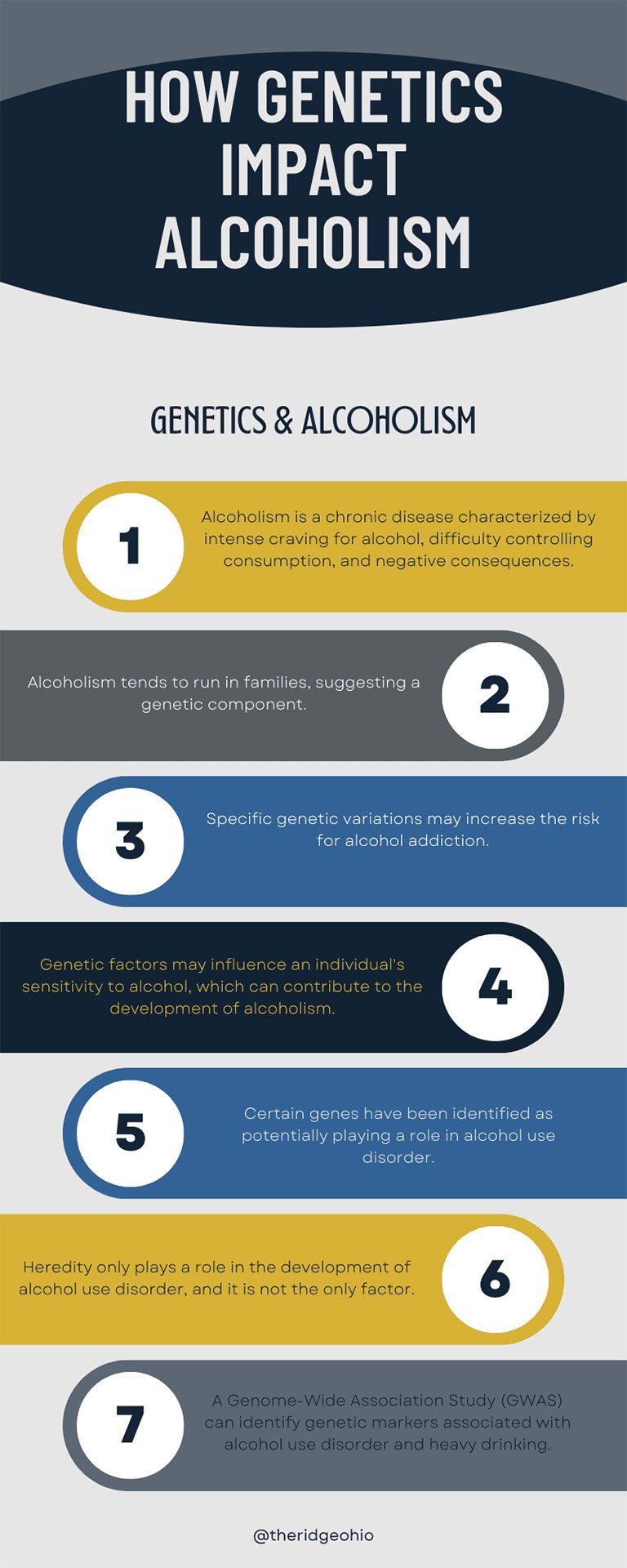
Why Alcohol Use Disorder Develops
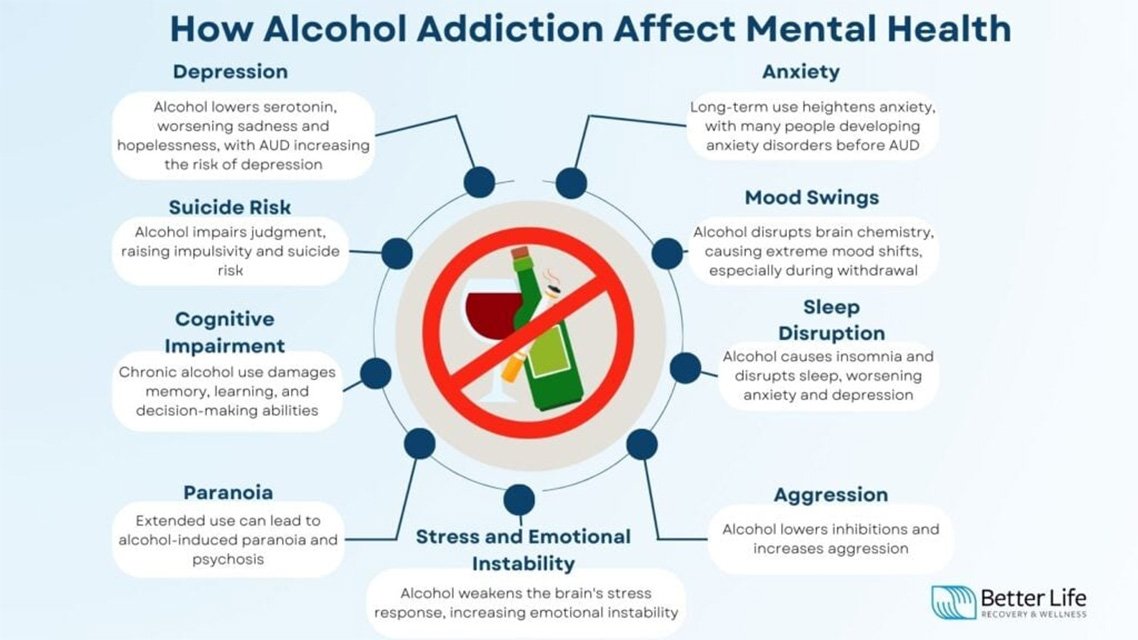
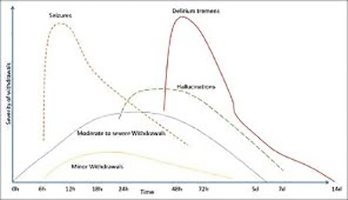
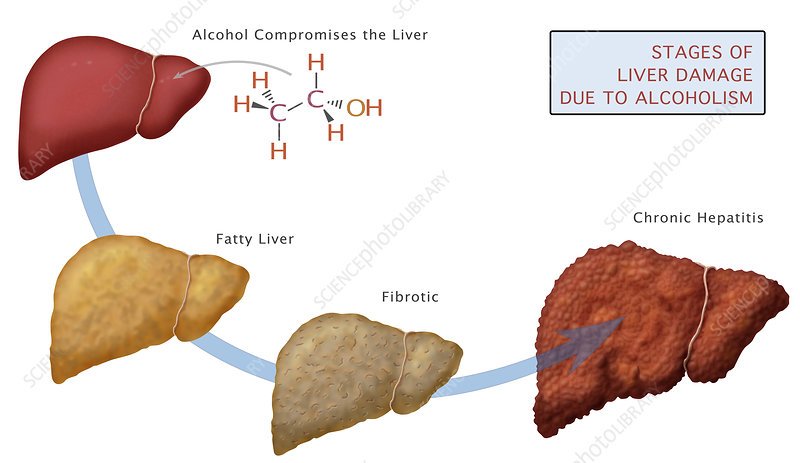
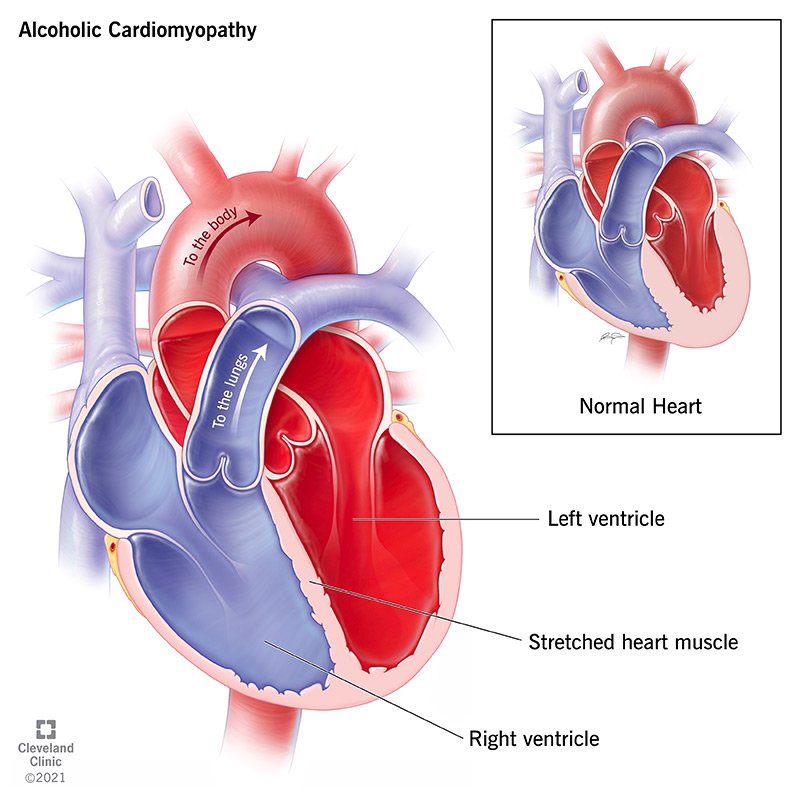
Possible Complications
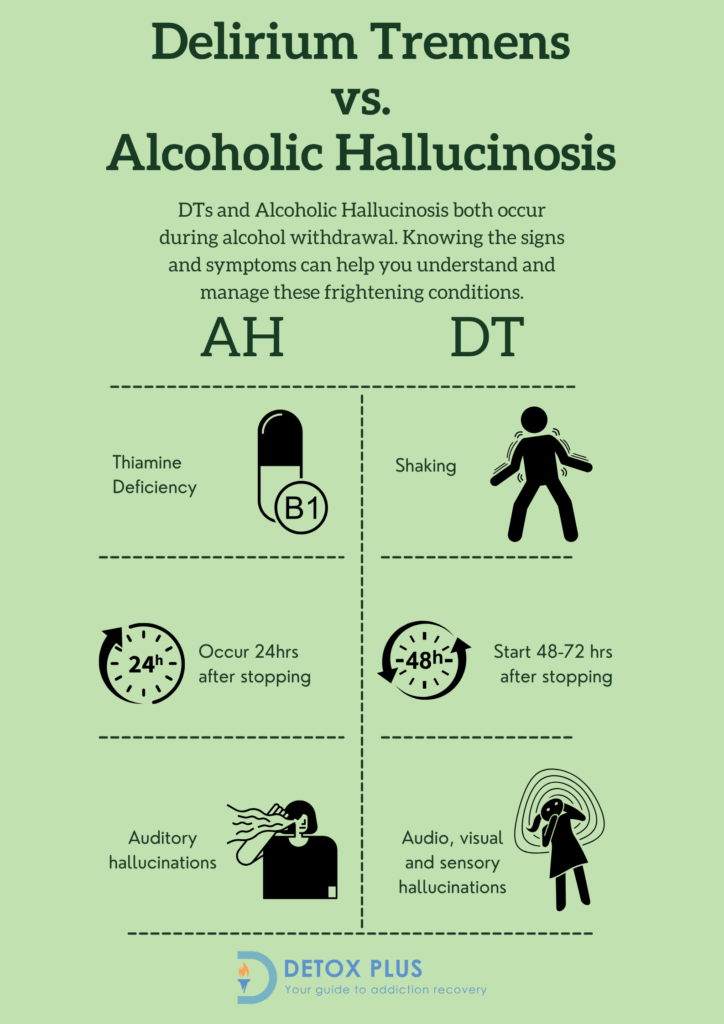
Treatment Options


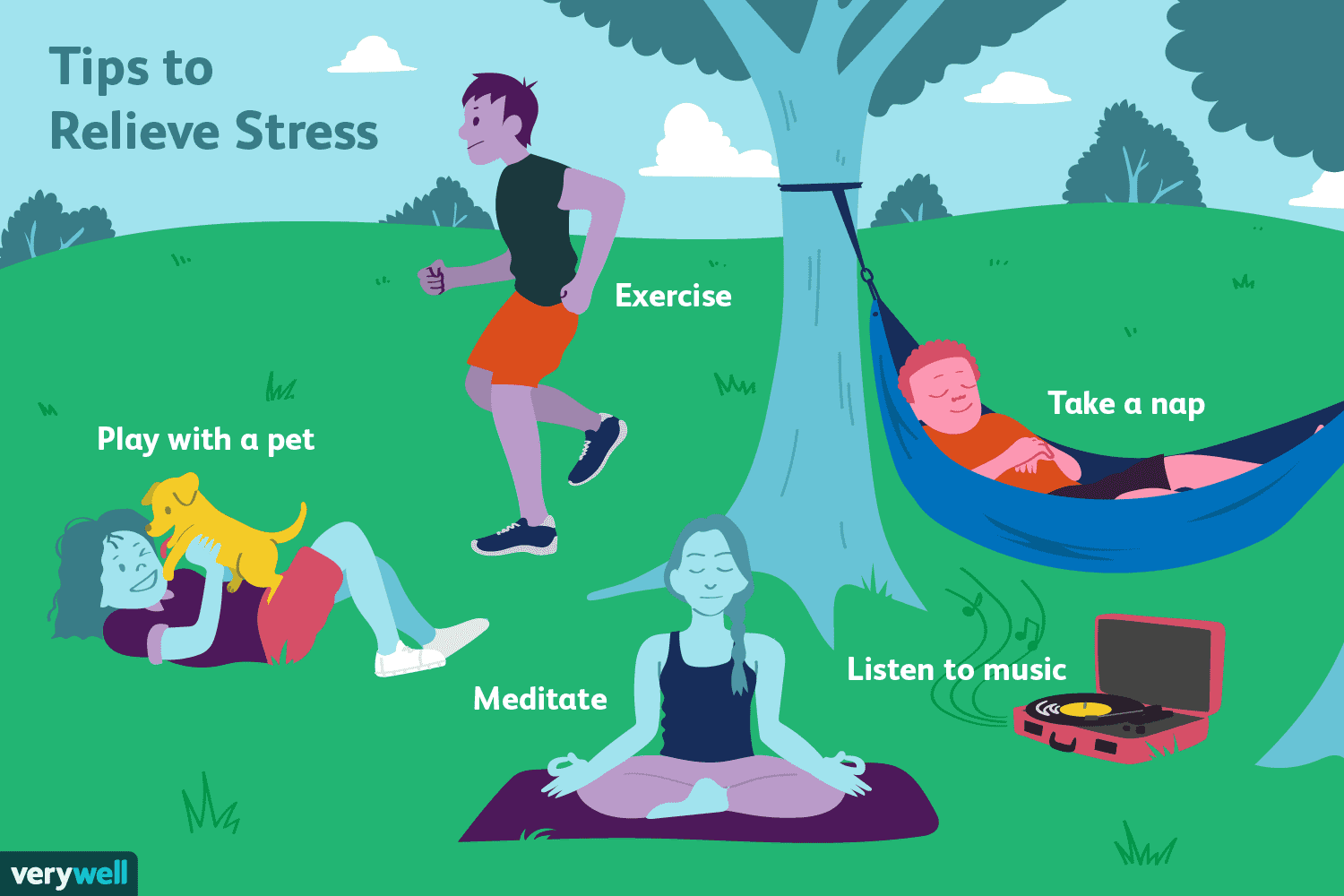
Self-Care Tips During Recovery
When to Seek Immediate Help
Questions to Ask Your Provider
Parents and Caregivers
- Talk. They Hear You.®
- What Parents are Saying
- Consequences of Underage Drinking
- What You Can Do to Prevent Your Child from Drinking Alcohol or Using Other Drugs (PDF | 609 KB)
- Why You Should Talk With Your Child About Alcohol and Other Drugs (PDF | 889 KB)
- Why Small Conversations Make a Big Impression
- Talking with Teens about Alcohol and Other Drugs: 5 Conversation Goals (PDF | 9.8 MB)
- Talking with Your Child about Alcohol: Keeping Your Kids Safe (PDF | 1.2 MB)
- Talking with Your Teen about Alcohol: Keeping Your Kids Safe (PDF | 1.1 MB)
- Age-Appropriate Conversations about Alcohol and Other Drugs (PDF | 508 KB)
- Impaired Driving: Talk With Your Kids (PDF | 722 KB)
- Be Prepared to Have the Difficult Conversation
- Getting Ahead of a Problem
- After High School: Talking With Your Young Adult About Underage Drinking
- Talking With Your College-Bound Young Adult About Alcohol: Parent Guide
- Helping Girls and Young Women Stay Healthy by Avoiding Alcohol
How Telemedicine Treatment Works
Evidence-Based Medications We Use
When appropriate, we prescribe medication to reduce cravings and support recovery, including:
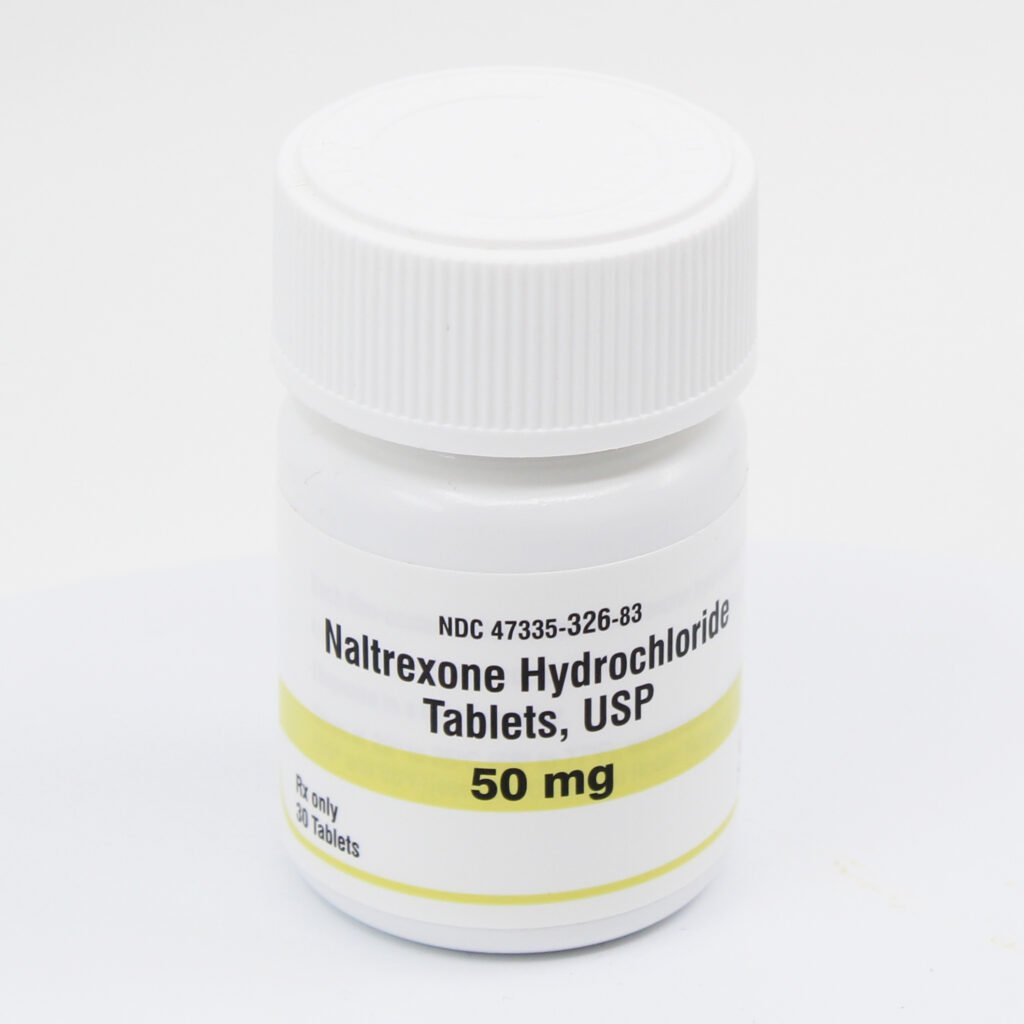
- Naltrexone (oral or injectable) — reduces cravings and blocks alcohol effects
- Acamprosate — helps normalize brain chemistry during recovery
- Disulfiram (selected cases) — discourages alcohol use with supervised support
- Gabapentin — Reduces alcohol craving and withdrawal symptoms
Benefits of Telemedicine for Alcohol Treatment
- Confidential & stigma-free — no in-person visits
- Affordable — avoids travel, time off work, or rehab costs
- Flexible scheduling — evenings & weekends available
- Evidence-based care right from home